

Start with the handover condition
Confirm what the landlord, facilities team or incoming occupier expects at the end. “Clear” can mean anything from loose contents removed to furniture dismantled, IT disconnected and the site left ready for contractors. Put the condition in writing before anyone prices the work.
Identify fixed items, leased equipment and anything that must remain. A marked floor plan can prevent expensive mistakes.
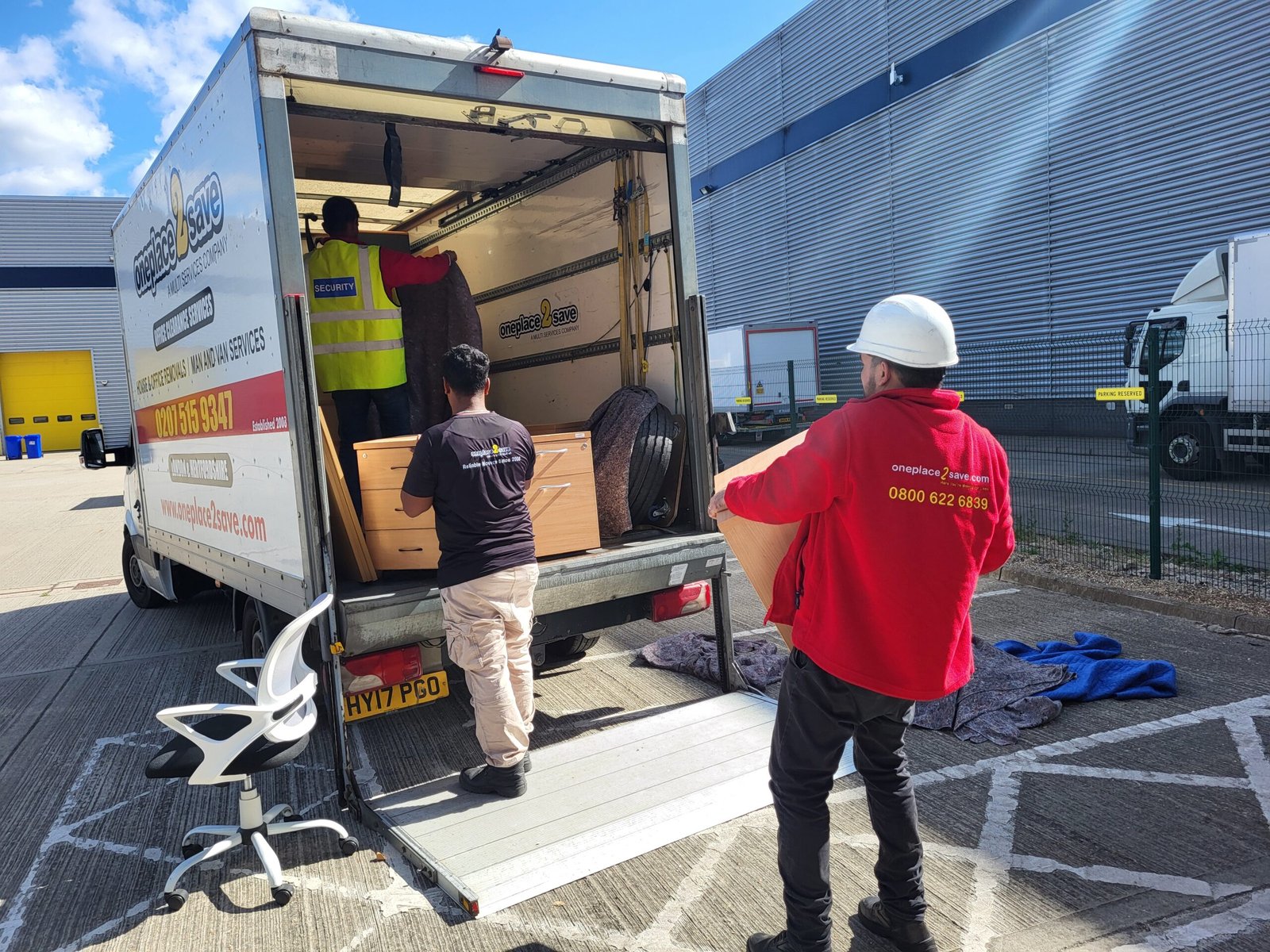
Confirm the required handover condition before the first item moves.
Map access and working restrictions
Record loading bays, lift sizes, stair routes, parking, security procedures and permitted working hours. If other teams will still occupy the building, agree how people and materials will move without blocking each other.
Photographs and video help, but larger or unusual sites deserve a physical survey.
Record these details before the quote
- ✓Loading and parking restrictions
- ✓Lift sizes, stairs and carrying distances
- ✓Permitted working hours and security access
- ✓Items that must remain or need specialist handling
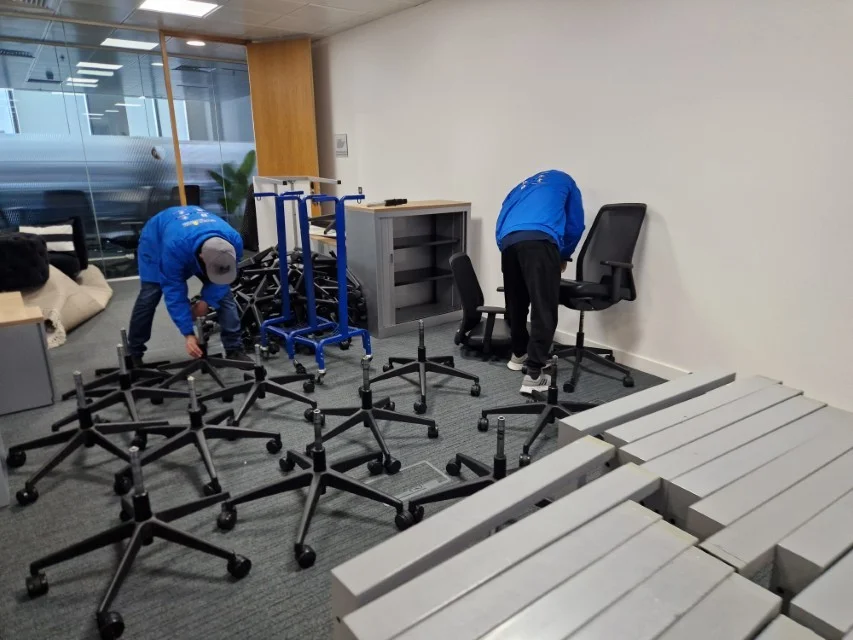
Map loading access, lifts and working restrictions before choosing the crew and vehicle.
Separate data, value and waste
Create three clear streams: data-bearing technology, reusable or saleable items, and material that genuinely needs a waste or recycling route. This reduces handling, supports documentation and gives usable furniture a better chance of staying in circulation.
Keep an inventory of IT equipment and discuss the required data-destruction method before collection.
A controlled clearance protects the handover, the organisation’s information and the value still held in usable items.
Oneplace2save planning principle
Build a realistic sequence
Start with non-essential areas, label destinations and protect the critical route. The final programme should show who signs off each zone and what happens when an unexpected item appears.
A good clearance is not the fastest-looking crew. It is the job that reaches handover without losing control.
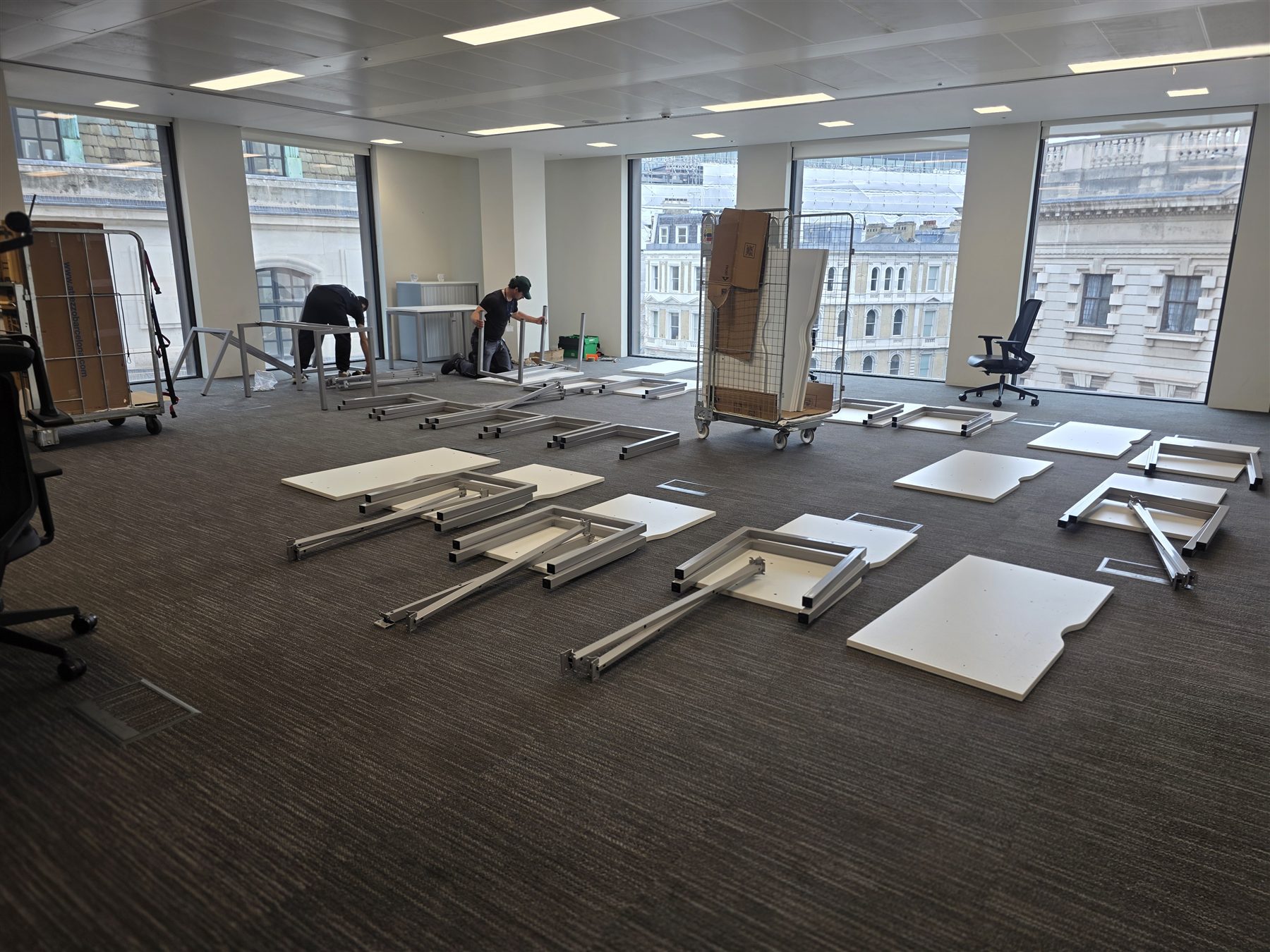
Separate data-bearing equipment, reusable assets and residual waste into controlled routes.
Planning a live project?
Share the locations, timing and rough scope. The team can turn it into a workable brief.
Request a quote ↗